There is a long-storied history of physicians as U.S. senators. Sen. John Barrasso is an orthopedic surgeon who previously served as chief of surgery at Wyoming Medical Center. Sen. Bill Cassidy is a gastroenterologist and liver specialist who co-founded a clinic for the poor. Sen. Rand Paul is an ophthalmologist who practiced for almost 20 years. Sen. Roger Marshall is an OB-GYN who delivered more than 5,000 babies. Perhaps most impressive of all was heart surgeon Sen. Bill Frist, who performed more than 150 heart and lung transplants and started the Vanderbilt Multi-Organ Transplant Center before going on to serve as a U.S. senator from 1995 to 2007 and Senate majority leader from 2003 to 2007.
Every great physician requires compassion, balanced judgment, calmness and resolve under pressure, as well as a deep understanding of the human condition. These are also crucial qualities for a U.S. senator.
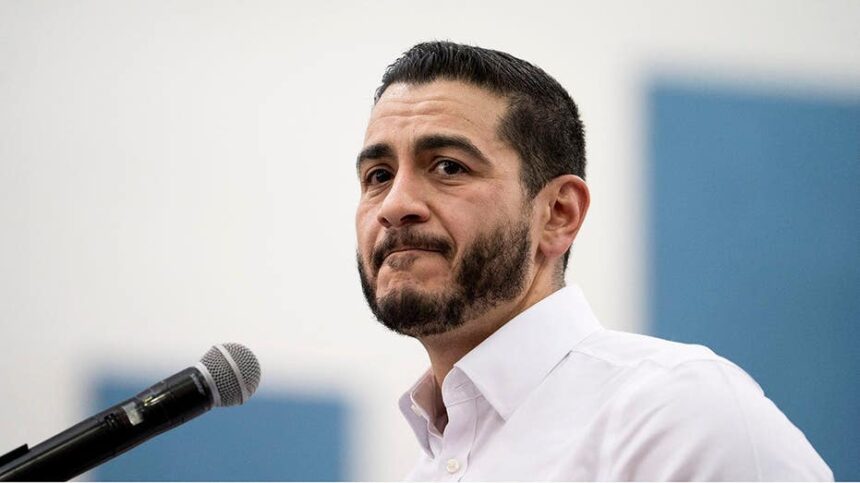
That is why the current focus on whether Dr. Abdul El-Sayed, a candidate in the current Democratic Senate primary in Michigan, is actually a physician, as he claims, is much more than political theater.
As reported here on Fox News Digital, left-wing host Mehdi Hasan challenged El-Sayed on Wednesday during an interview on Zeteo for trying to represent himself as a physician despite not having a valid state medical license.
“Do you wish youd just stuck to calling yourself a doctor, which you are, to avoid all of this controversy and attacks on your physician status?” Hasan asked.
As a longtime physician myself, I take my role and qualifications very seriously. I agree completely with Hasans line of questioning and believe El-Sayeds use of the term “physician” deserves scrutiny.
Should anyone with a Doctor of Medicine degree also be called a physician? Most state licensing boards, including New York states, dont think so and reserve the title “physician” for someone who is licensed to practice medicine or surgery.
I agree with this distinction, which I dont think is minor. I consider being a physician an active role that involves healing or treating patients or studying potential tests or cures as a physician-scientist.
Dont get me wrong: El-Sayed has strong medical credentials. He earned a medical degree from Columbia University College of Physicians and Surgeons. He also obtained a doctorate in public health from Oxford University, and he has served as executive director of the Detroit Health Department as well as director of Wayne Countys Health, Human and Veterans Services Department. He has held multiple academic appointments in Michigan and at the Harvard T.H. Chan School of Public Health.
DEM SENATE HOPEFULS PHYSICIAN CAMPAIGN PITCH UNDER FIRE AFTER LICENSE RECORDS REVEAL KEY GAPS
But those qualifications make him a doctor and an epidemiologist; they do not make him a physician. Simply put, El-Sayed has not practiced medicine.
A physician is someone who assumes the care of patients or searches for treatments and cures as a physician-scientist.
From the American Medical Association Journal of Ethics: “The term physician has been around since the days of Aristotle, and derives from physik, an ancient Greek word for nature. Physicians were those engaged in the study of the natural world. Hip